Why We Cook Over Charcoal
5 min read
Ask any Turkish cook what makes a kebab and they’ll say the same word: ateş. Fire.
Not heat. Fire. The kind that comes from real charcoal, lit an hour before service and tended until it glows white at the edges. It’s slower than gas, harder to control, and completely non negotiable.
What charcoal does that gas can’t
Charcoal cooks with radiant heat. It sears the outside of the meat quickly while the inside stays tender, and it does it evenly along the whole skewer. Gas flames touch the meat in spots; charcoal wraps around it.
Then there’s the smoke. When fat from the lamb drips onto the coals, it vaporises and rises back into the meat. That’s the flavour people mean when they say “it tastes like Turkey.” You can’t season it in. It has to come from the fire.
The kebabs that live on our grill
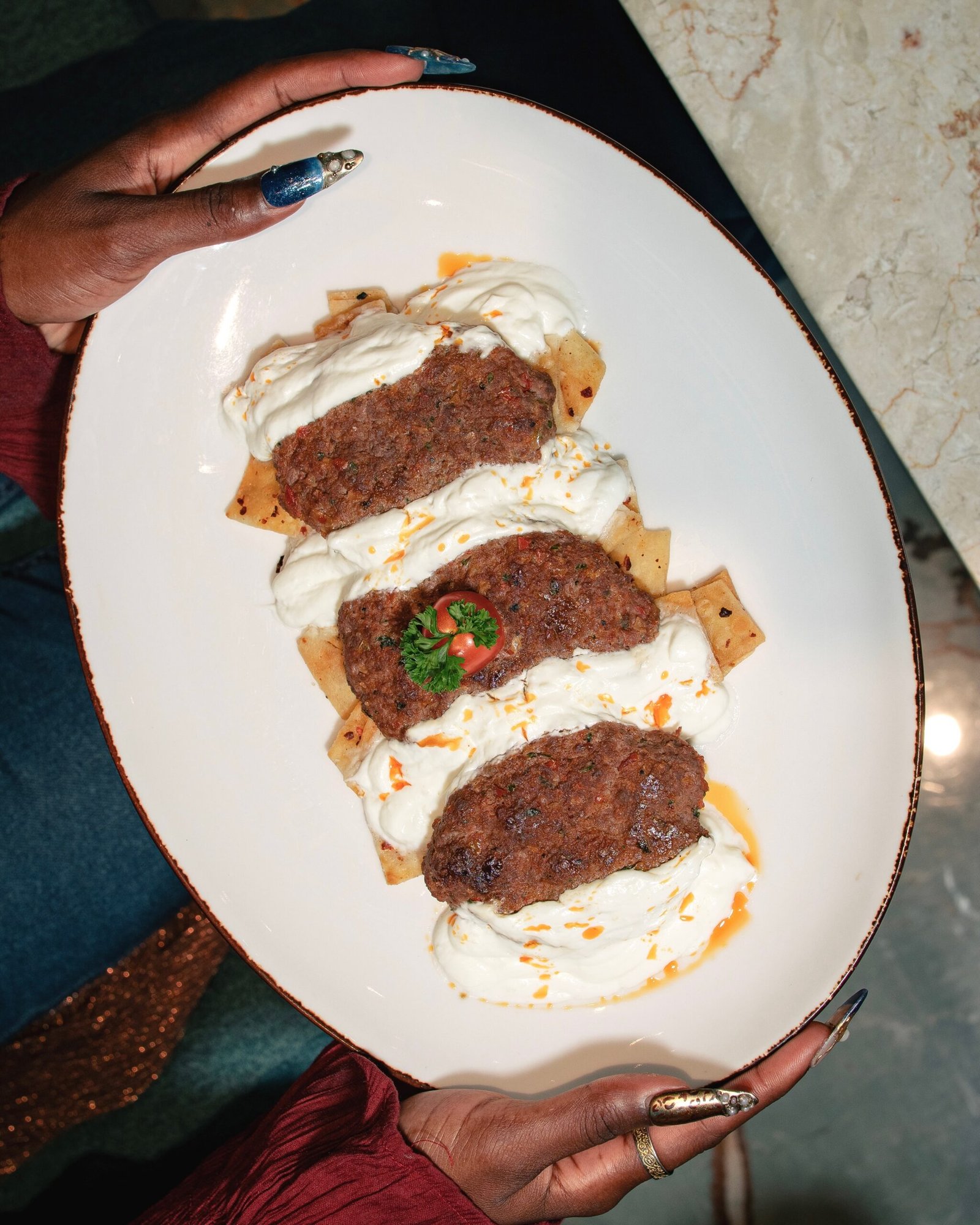
Adana is hand minced lamb, seasoned with red pepper flakes and pressed onto a wide flat skewer. It needs a hot, even fire or it falls apart.
Shish, whether chicken, lamb or beef, is marinated overnight in yoghurt and spices. The yoghurt tenderises and helps the outside caramelise.
Lamb chops go on last, when the coals have settled. They only need a few minutes a side.
The one thing we ask
Charcoal takes time. Your kebab is cut, skewered and grilled after you order it, not before. If it takes a few extra minutes, that’s the fire doing its job.
We think it’s worth the wait. Come and decide for yourself.

Tristique tempus condimentum diam donec. Condimentum ullamcorper sit elementum hendrerit mi nulla in consequat, ut. Metus, nullam scelerisque netus viverra dui pretium pulvinar. Commodo morbi amet.